
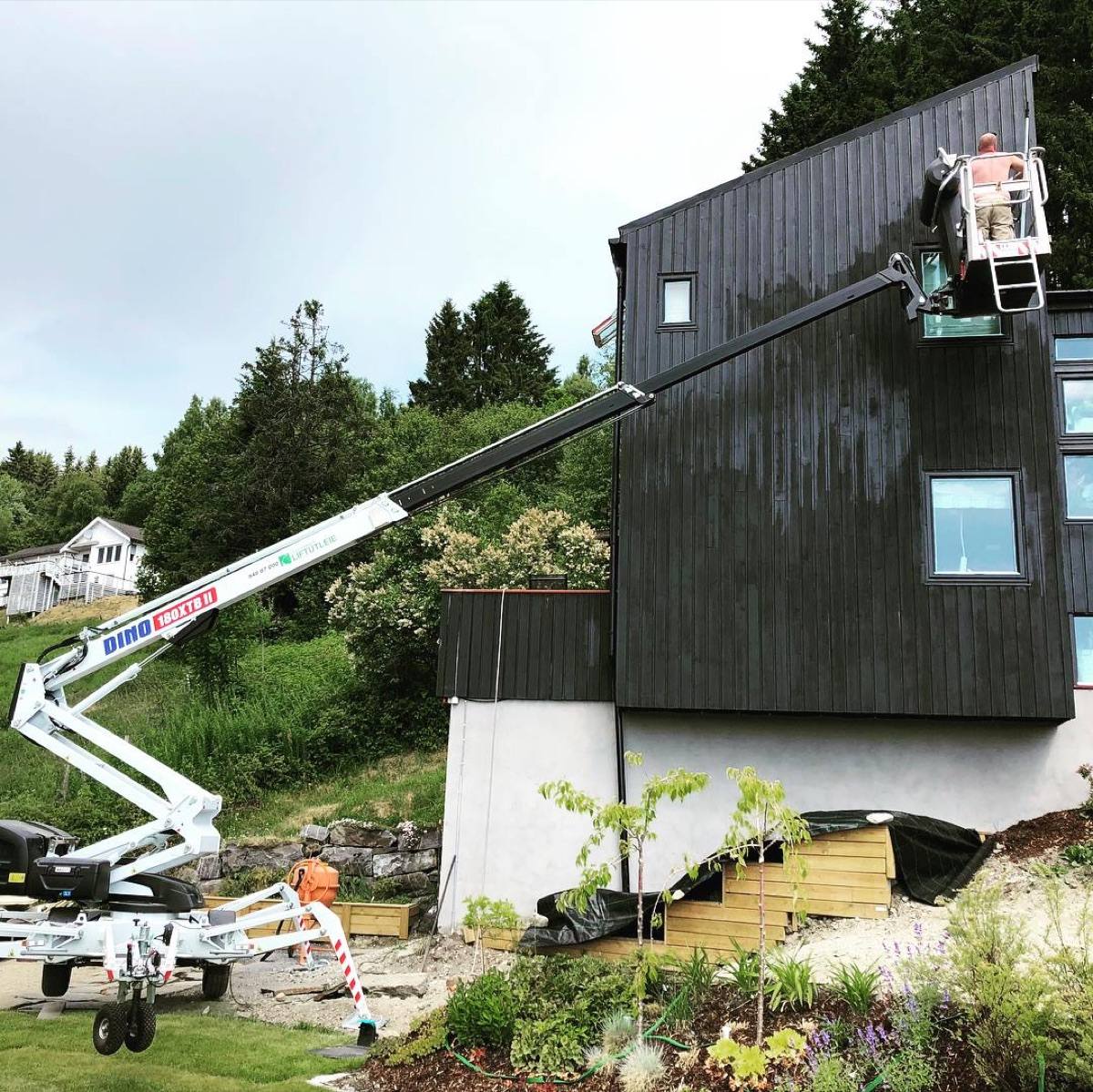
How to use a trailer lift
From the moment the lift is in position until you are safely back down, step by step. With video.
You always get instruction when you collect the lift from us. It takes 10–30 minutes and is included in the price. This guide is for you if you want to know what to expect, or need a refresher before you go up. Operation varies slightly between models, so always follow the instructions on the lift.
See how it's done
The video shows the whole routine, from the lift being in position to you being up in the platform.
Before you start
- The ground: the lift must stand on level, firm ground. Avoid manhole covers, ditch edges and soft lawn after rain. An outrigger sinking is the most dangerous thing that can happen.
- The wind: the maximum permitted wind speed is on the sign on the lift. If it's blowing harder, wait. Never hang tarpaulins or boards on the platform. That turns the lift into a sail.
- Power lines: look up before you position the lift. If you will come near an overhead line, call the grid company before you start.
- The area below: cordon it off so nobody walks under the platform while you work.
- The load: the maximum load is stated on the platform, 120–230 kg on our trailer lifts. You and your tools count.
1. Drive the lift into position
Unhitch the lift from the car where it is going to stand. Most of our trailer lifts have wheel drive and are steered by remote control, so you don't have to push. Position it as close to the work area as possible. Every metre you don't have to reach gives you more height.
2. Lower the outriggers
Lower all four outriggers until the lift is stable and level. Follow the level indicator on the lift. On most models the arm is locked until all the outriggers are set correctly. That is a safety feature, not a fault.
If the lift is on sloping ground, the outriggers must be adjusted differently. If you can't get it level, the spot is too steep. A self-levelling tracked lift is then a better choice.
3. Get into the platform and attach your harness
If the platform has an anchor point for a harness, use it. The Norwegian Labour Inspection Authority recommends it, and the lanyard should be short enough that you cannot climb over the guardrail. Close the gate before you start.
4. Operate the arm
From the control panel in the platform you control the arm: up and down, out and in, and slewing to the sides. Articulating boom lifts also have a separate function for the lower arm.
- Make one movement at a time, and slowly
- Look in the direction the platform is moving, especially towards gutters and windows
- Stand with both feet on the platform floor. Never on the guardrail or a ladder in the platform
- The lift is not a crane. Don't lift materials hanging from the platform
5. Down, move and return
Bring the arm all the way down into the transport position before you raise the outriggers. If you need to move the lift along the wall, go through the whole routine again: outriggers up, drive, outriggers down.
The lifts run on battery, and some on petrol. Put a battery lift on charge overnight. Return it clean. Paint on the lift and platform must be washed off, otherwise we invoice for the time it takes.
If the lift stops in the air
All lifts have emergency lowering, a manual function that brings the platform down if the engine or battery fails. We show you where it is when you collect the lift. It is operated from the ground, which is one of the reasons you shouldn't work alone in a lift. Call us on +47 948 87 000 and we'll help you.
Questions and answers
Do I need a course to use a trailer lift?
If you rent privately, the instruction you get when you collect the lift is enough. If the lift is to be used at work, the law requires documented training, and the employer is responsible.
Can I use the lift on my own?
The Norwegian Labour Inspection Authority advises against it. If someone is on the ground, they can use the emergency lowering if the lift stops, and they can keep people away from the area below the platform.
How much can the platform carry?
It is stated on the platform. On our trailer lifts it is 120–230 kg, and some lifts can take more when the arm is not fully extended. You, your tools and materials all count.
What do I do if the wind picks up?
Come down. The maximum permitted wind speed is on the sign on the lift, and the wind is always stronger up high than on the ground.
Equipment in this guide
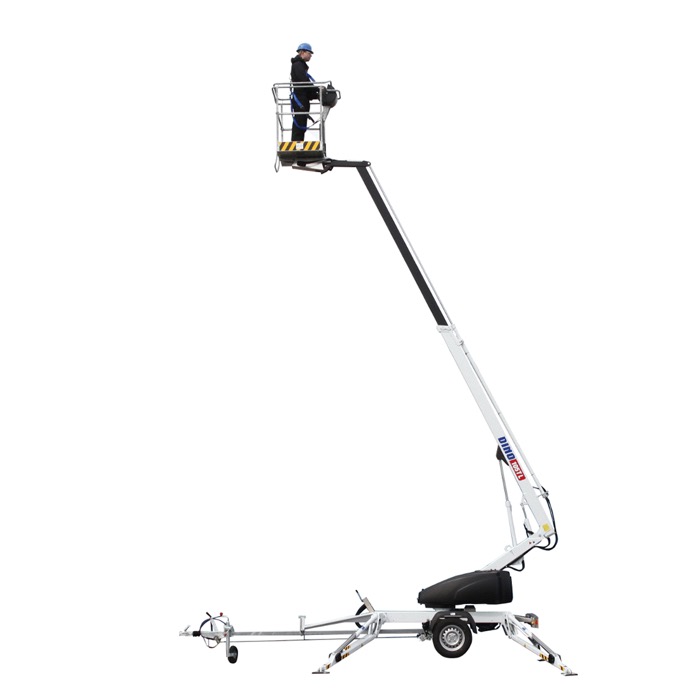
Dino 105TL
See product →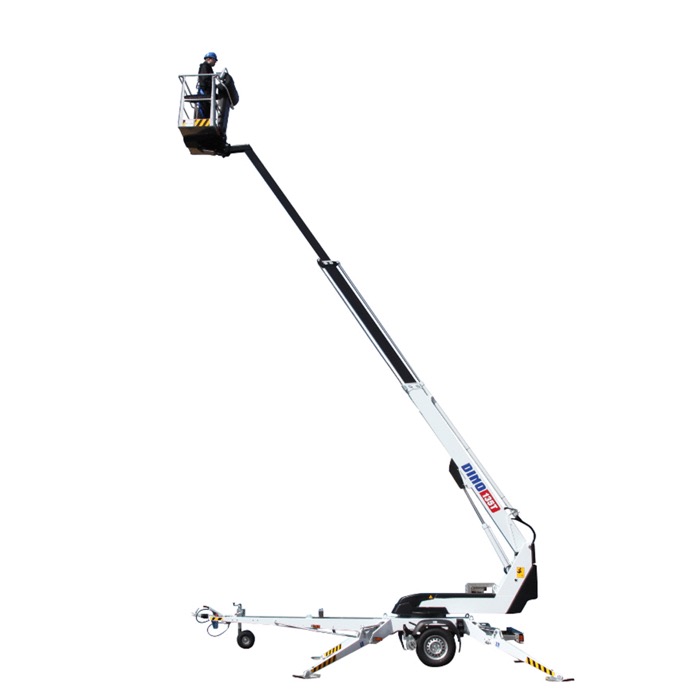
Dino 135TB
See product →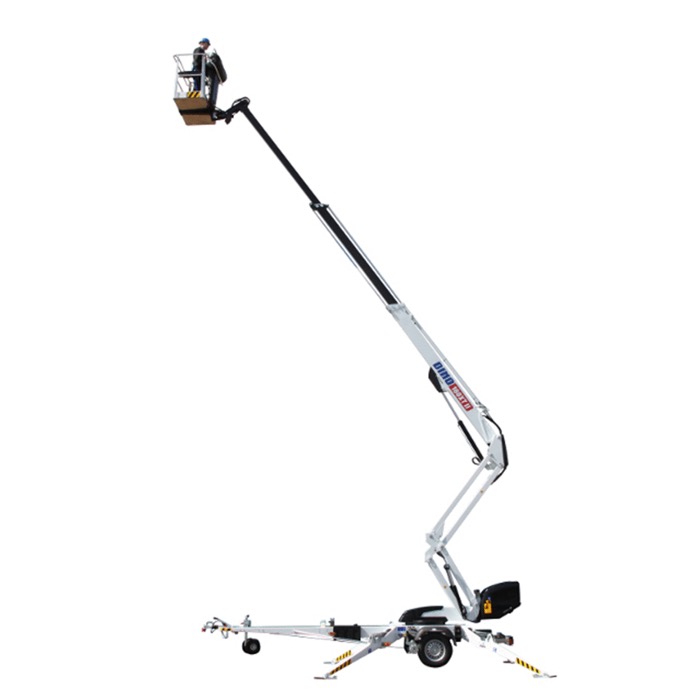
Dino 160XTB
See product →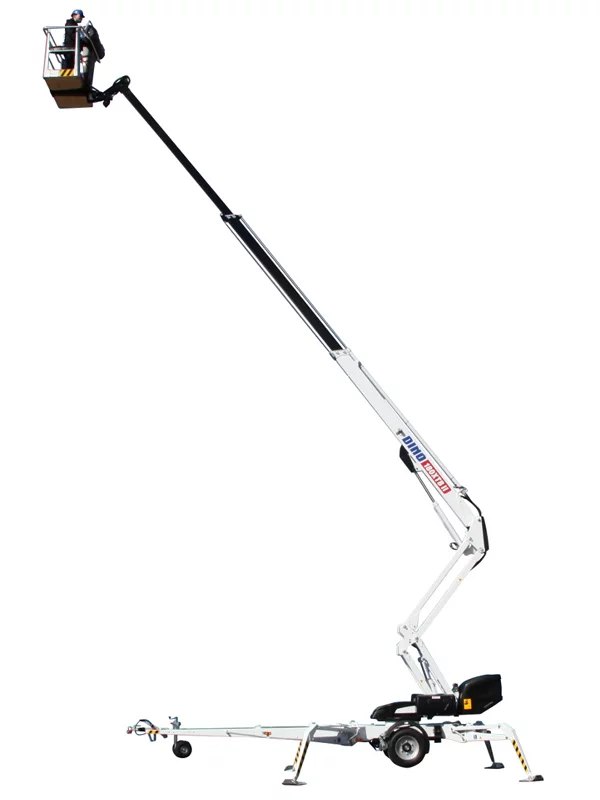
Dino 180XTB
See product →Any questions?
Call +47 948 87 000 and you'll talk to the people who rent out the equipment every day. See our trailer lifts →
More guides
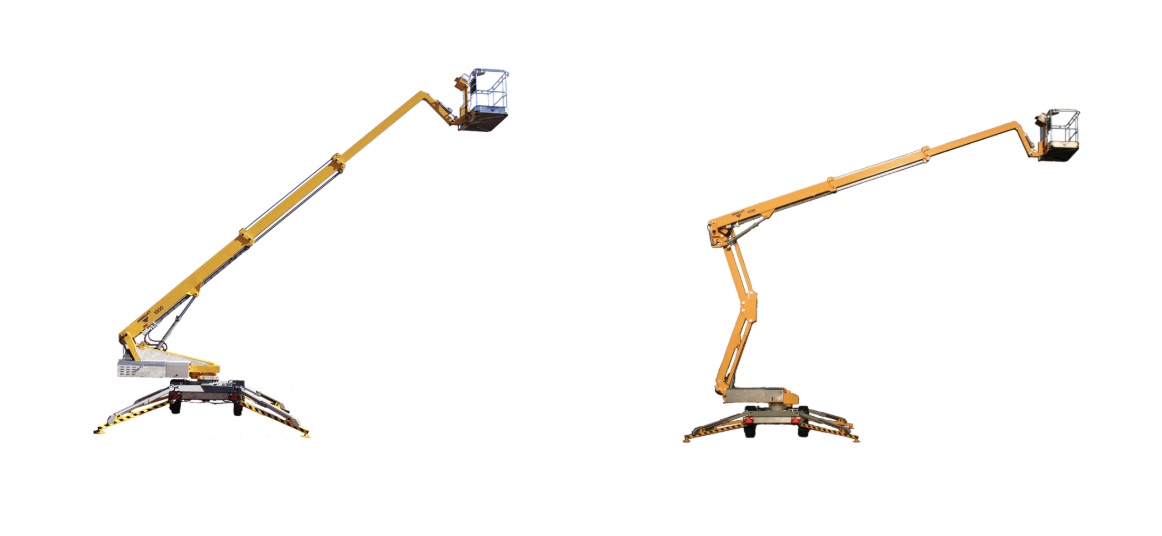
Which lift should I choose?
Five things decide which lift you need: height, outreach, straight or articulating boom, space and your vehicle.
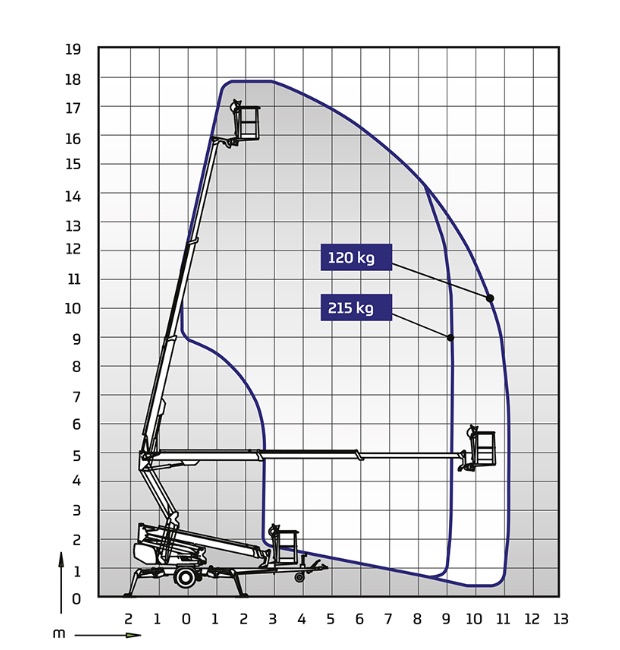
Height and outreach: how to read the lift chart
The chart on the lift shows exactly where the platform can reach. Here is how to read it, and how to check whether the lift will reach.
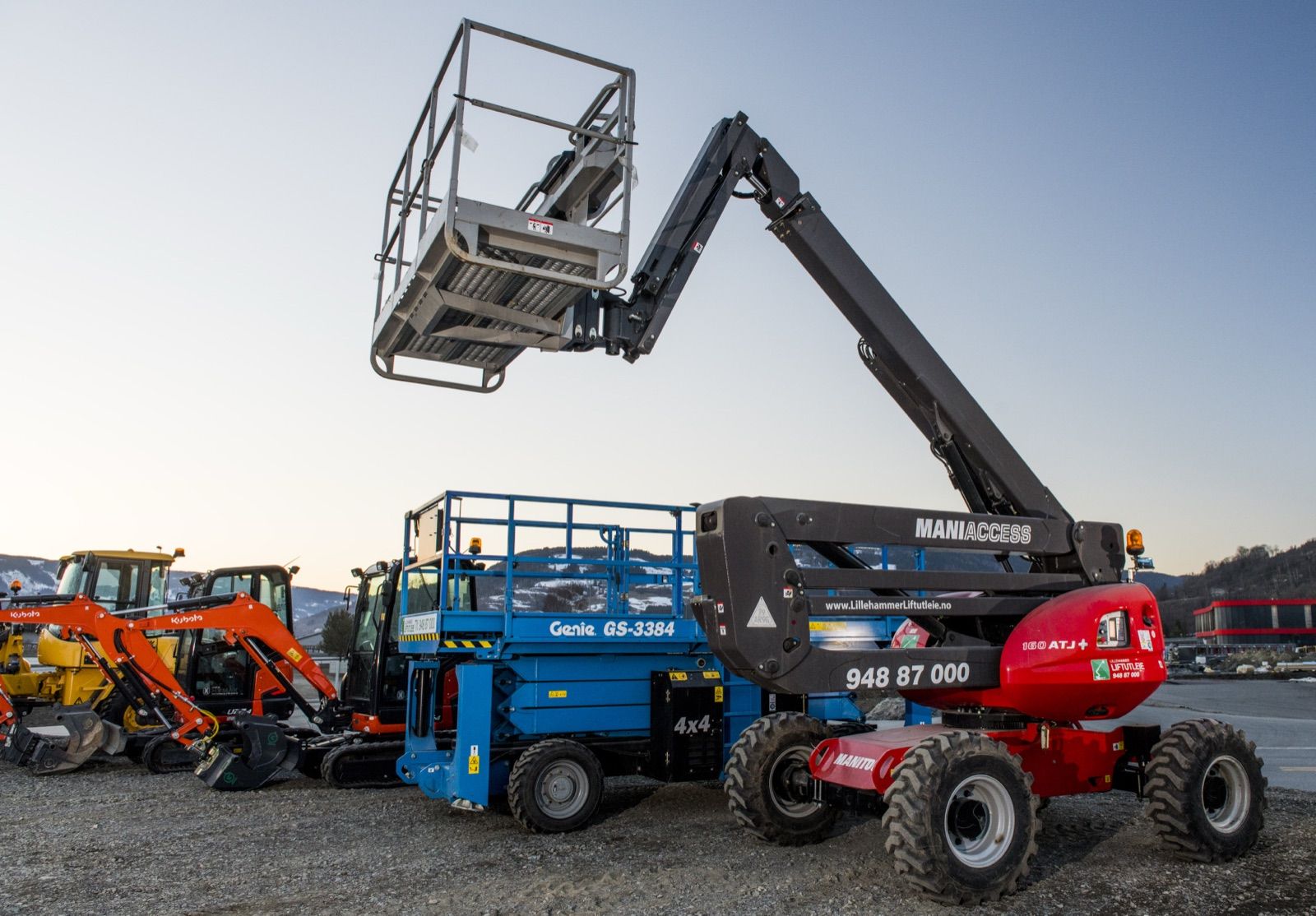
Lift hire prices
What it costs to hire a lift, what is charged in addition, and what applies to weekends and longer rentals.